 Save
Save The kitchen smelled like butter and wine, and my mother-in-law was watching me from across the counter with that skeptical French look I'd come to know well. She'd taught me coq au vin the traditional way, with red wine and lardons, but I wanted to try something different for spring. When I pulled out a bottle of rosé, she raised one eyebrow and said nothing, which somehow felt worse than outright criticism. But an hour later, when she tasted the first forkful and nodded slowly, I knew I'd done something right.
I made this for a dinner party in late April, when the evening was still cool enough for something warm but the lighter days made red wine feel too heavy. My friend Sophie brought her new boyfriend, who turned out to be a wine snob, and I was nervous he'd find the rosé gimmicky. Instead, he went back for seconds and asked if I'd marinated the chicken overnight, which I hadn't, but I let him believe I had. Sometimes a little mystery in the kitchen is worth more than the truth.
Ingredients
- Bone-in, skin-on chicken pieces: Thighs and drumsticks stay juicier during the long braise, and the bones add body to the sauce in a way boneless chicken never will.
- Dry rosé wine: Choose something you'd actually drink, not cooking wine from the bottom shelf, because that floral, slightly fruity character is what makes this dish sing.
- Olive oil: You need just enough to get a good sear on the chicken without making the whole pot greasy.
- Onion, garlic, carrots, and leek: This aromatic base builds sweetness into the sauce, and the leek adds a delicate onion flavor that doesn't overpower the rosé.
- Cremini or button mushrooms: Quartered mushrooms soak up the wine and cream, turning into little flavor bombs you'll fight over at the table.
- Tomato paste: Just two tablespoons deepen the color and add a subtle umami backbone without making the sauce taste like tomatoes.
- All-purpose flour: Optional, but a light dusting on the vegetables helps thicken the sauce into something silky and spoonable.
- Heavy cream: Stirred in at the end, it turns the braising liquid into a glossy, restaurant-quality sauce that clings to everything.
- Bay leaf, thyme, and rosemary: These herbs perfume the whole pot, and pulling them out before serving keeps the sauce smooth and elegant.
- Fresh parsley: A bright green scatter at the end cuts through the richness and makes the whole dish look like you knew what you were doing.
Tired of Takeout? 🥡
Get 10 meals you can make faster than delivery arrives. Seriously.
One email. No spam. Unsubscribe anytime.
Instructions
- Season and Prep the Chicken:
- Pat those chicken pieces completely dry with paper towels, because wet skin will never brown properly, then season generously with salt and pepper. Don't be shy here, the seasoning needs to penetrate the meat.
- Brown the Chicken:
- Heat olive oil in your Dutch oven until it shimmers, then lay the chicken skin-side down and resist the urge to move it around. Let it sizzle undisturbed for about five minutes per side until the skin turns deep golden and releases easily from the pot.
- Sauté the Vegetables:
- Toss in the onions, carrots, and leek, letting them soften and pick up all those browned bits stuck to the bottom. Add the mushrooms after a few minutes and let them release their moisture and start to caramelize at the edges.
- Build the Aromatics:
- Stir in the garlic and let it bloom for just a minute until fragrant, then add the tomato paste and cook it down until it darkens slightly and smells sweet and concentrated.
- Thicken with Flour:
- If you're using flour, sprinkle it over the vegetables and stir everything together, cooking for about a minute to get rid of that raw flour taste.
- Deglaze and Braise:
- Pour in the rosé and scrape up every caramelized bit from the bottom of the pot, then nestle the chicken back in and tuck the bay leaf, thyme, and rosemary around the pieces. Bring it to a gentle simmer, cover, and let it cook low and slow for forty-five minutes until the chicken is so tender it practically falls off the bone.
- Finish with Cream:
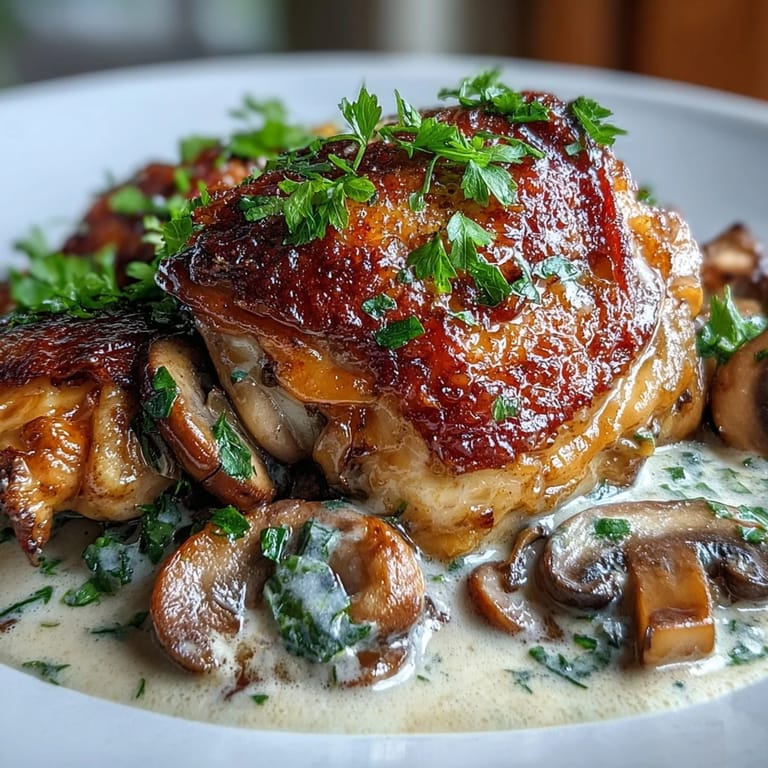
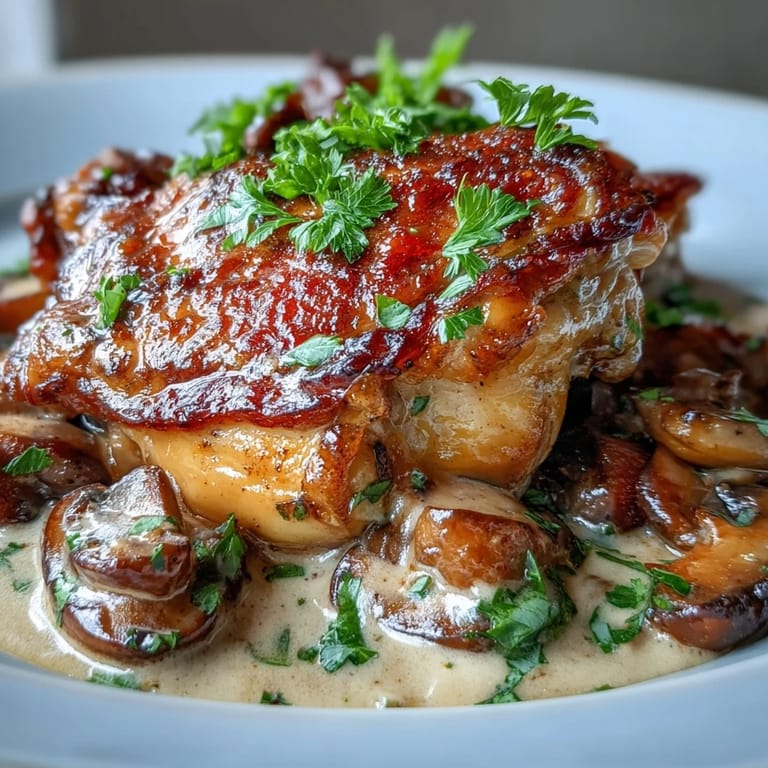
- Fish out the herb sprigs and bay leaf, then stir in the cream and let the sauce simmer uncovered for five to ten minutes. It should thicken just enough to coat the back of a spoon and turn glossy and pale pink.
- Serve and Garnish:
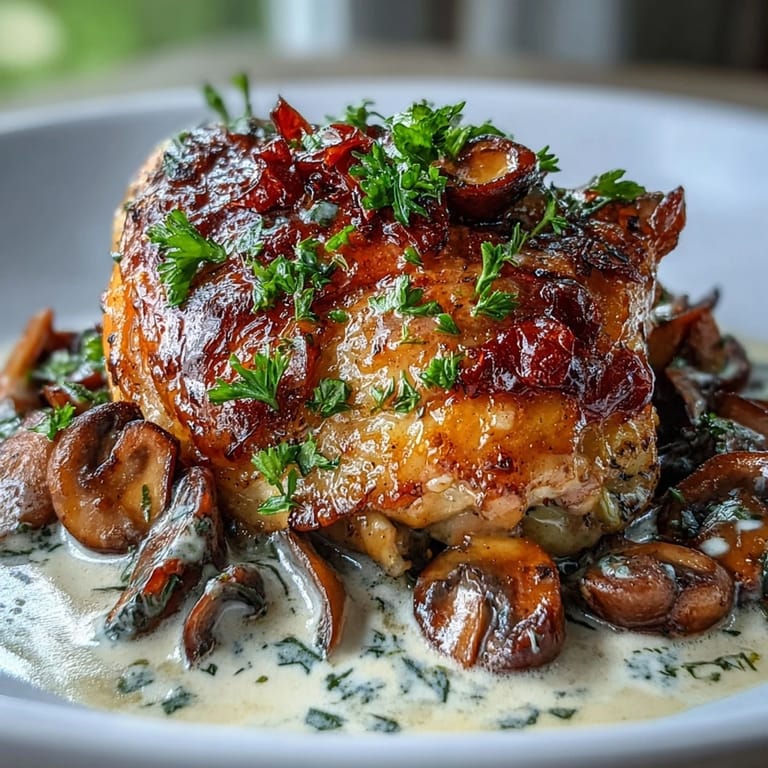
- Spoon the chicken onto plates with plenty of sauce and vegetables, then scatter fresh parsley over the top. Serve it hot with something starchy to soak up every last drop.
 Save
Save  Save
Save The first time I served this to my kids, my youngest looked suspicious of the pink sauce and asked if it was strawberry chicken. I laughed so hard I nearly dropped the serving spoon, but once he tasted it, he went quiet and ate three pieces without complaint. Now he asks for the pink chicken whenever we have company, and I've stopped correcting him because honestly, it's a perfect name.
Choosing the Right Rosé
Not all rosés are created equal when it comes to cooking, and I learned this the hard way when I grabbed a bottle from the discount bin and ended up with a sauce that tasted like watered-down fruit juice. Look for a dry Provence-style rosé or something labeled brut, with crisp acidity and subtle berry notes that won't turn syrupy when reduced. If you wouldn't pour it in a glass on a warm evening, don't pour it in your pot.
What to Serve Alongside
This dish practically begs for something to soak up the sauce, and I've tried everything from mashed potatoes to egg noodles. Buttered fingerling potatoes are my favorite because they're elegant enough for the occasion and sturdy enough to hold up to all that cream. A crusty baguette works too, especially if you're the kind of person who shamelessly wipes your plate clean at the end, which I absolutely am.
Storage and Make-Ahead Magic
One of the best things about this recipe is that it tastes even better the next day, after the flavors have had time to settle and marry in the fridge. Let it cool completely, then store it in an airtight container for up to three days, reheating gently on the stovetop with a splash of cream or stock to loosen the sauce. I've even made it a day ahead for dinner parties, which means I can actually enjoy my guests instead of hiding in the kitchen.
- Reheat low and slow to keep the chicken from drying out.
- Freeze individual portions for up to two months if you want a fancy weeknight dinner in your back pocket.
- Garnish with fresh parsley only after reheating, because wilted herbs never look appetizing.
 Save
Save 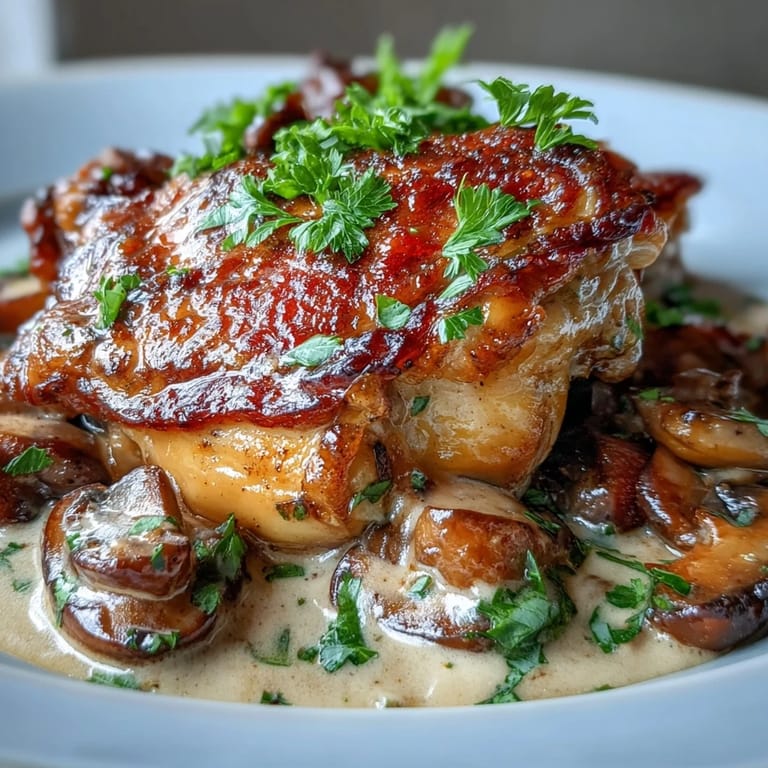 Save
Save This is the kind of dish that makes you feel like a better cook than you actually are, which is exactly what we all need sometimes. Serve it with confidence, pour another glass of that rosé, and let everyone think you've been making French braises your whole life.
Recipe FAQs
- → Can I use a different type of wine?
Yes, while rosé gives this dish its signature lighter character, you can substitute with white wine for a similar effect. Red wine will make it closer to traditional Coq au Vin with a deeper, richer flavor profile.
- → What chicken parts work best?
Bone-in, skin-on thighs and drumsticks are ideal because they stay tender and flavorful during the long braising process. You can use a whole chicken cut into pieces, but avoid boneless cuts as they may dry out.
- → Can I make this ahead of time?
Absolutely. This dish actually improves when made a day ahead as the flavors meld beautifully. Cool completely, refrigerate, and gently reheat on the stovetop before serving.
- → What should I serve with Coq au Vin Rosé?
Traditional accompaniments include buttered potatoes, crusty French bread, or rice to soak up the delicious sauce. Egg noodles or creamy polenta also work wonderfully.
- → How do I thicken the sauce if it's too thin?
If your sauce needs thickening, remove the chicken and simmer the sauce uncovered for a few extra minutes. Alternatively, mix a teaspoon of cornstarch with cold water and stir it in, then simmer until thickened.
- → Can I make this dairy-free?
Yes, you can omit the cream entirely for a lighter version, or substitute with coconut cream or cashew cream for a dairy-free alternative that still provides richness.