 Save
Save I first encountered a butter board at a dinner party where the host casually spread softened butter across a wooden board like it was an art project, then scattered it with toasted nuts and herbs. The simplicity of it struck me—no cooking required, just thoughtful layering—yet it became the first thing people reached for before the main course arrived. Now whenever I need something elegant but effortless, this is what I make.
I remember standing in my kitchen one autumn evening, watching a friend's face light up as she spread a spoonful onto a cracker—she said it tasted like butter was supposed to taste. That's when I realized this board wasn't just about the ingredients; it was about presenting something so simple with such care that it felt special.
Ingredients
- Unsalted butter (200 g): The foundation of everything here, so choose a good one—European-style butter has that extra fat and creaminess that makes a real difference.
- Mixed nuts (30 g): Toast them yourself to release their oils and flavor; the few minutes in a hot skillet transforms them from ordinary to irresistible.
- Fresh herbs (2 tbsp): Chives, parsley, and dill all work beautifully; finely chop them so they cling to the butter and release their aroma with each bite.
- Flaky sea salt (1 tsp): This is where texture comes in—those delicate crystals burst against your palate and shouldn't be replaced with table salt.
- Lemon zest: Use a microplane to get those fine, bright shreds; the oil from the skin adds so much more than juice ever could.
- Honey (1 tbsp optional): A light drizzle adds a subtle sweetness that rounds out the salty, herby flavors without overpowering anything.
- Black pepper and crusty bread: Freshly ground pepper finishes the board, and good bread is what you'll actually be spreading everything onto.
Tired of Takeout? 🥡
Get 10 meals you can make faster than delivery arrives. Seriously.
One email. No spam. Unsubscribe anytime.
Instructions
- Toast the nuts until fragrant:
- Put your mixed nuts in a dry skillet over medium heat and stir them for two to three minutes until they smell incredible and turn golden at the edges. Let them cool for a minute so they're not too hot to handle.
- Spread the butter with intention:
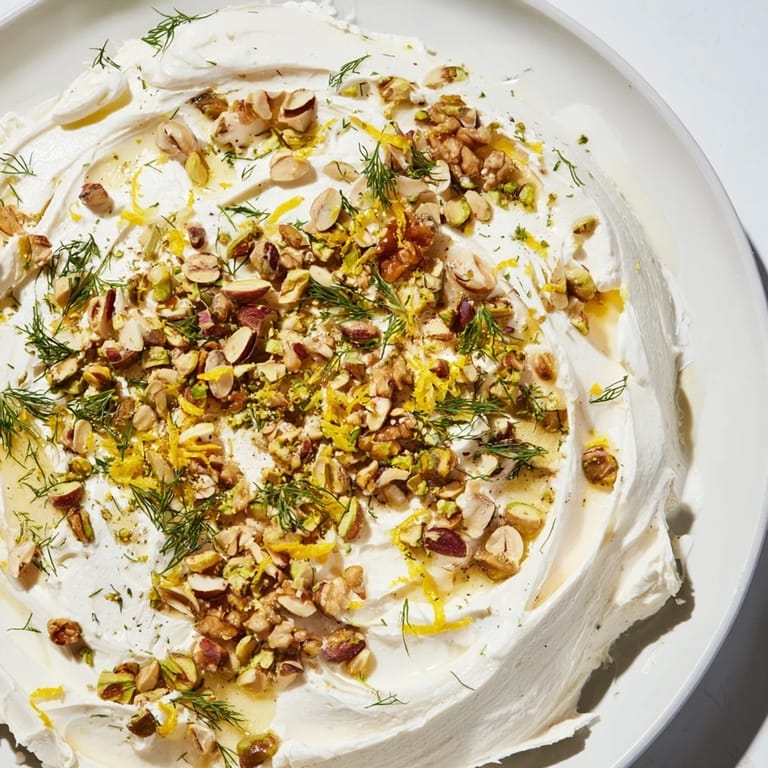
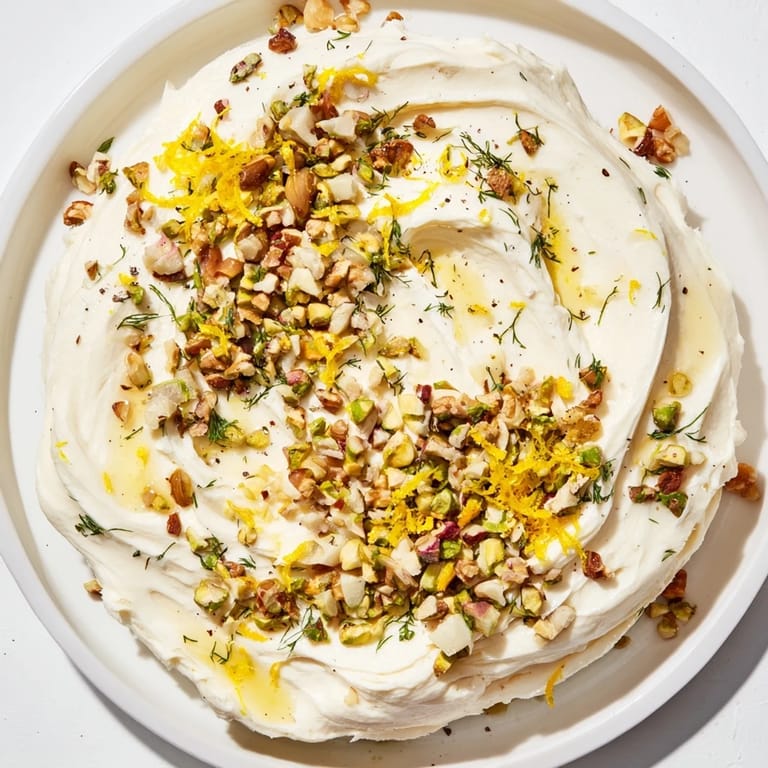
- Plop your softened butter onto a wooden board or platter and use a butter knife or offset spatula to spread it in an uneven layer, creating little swirls and ridges that will hold all the good stuff. Don't aim for perfection—the texture is part of the appeal.
- Layer on all the toppings:
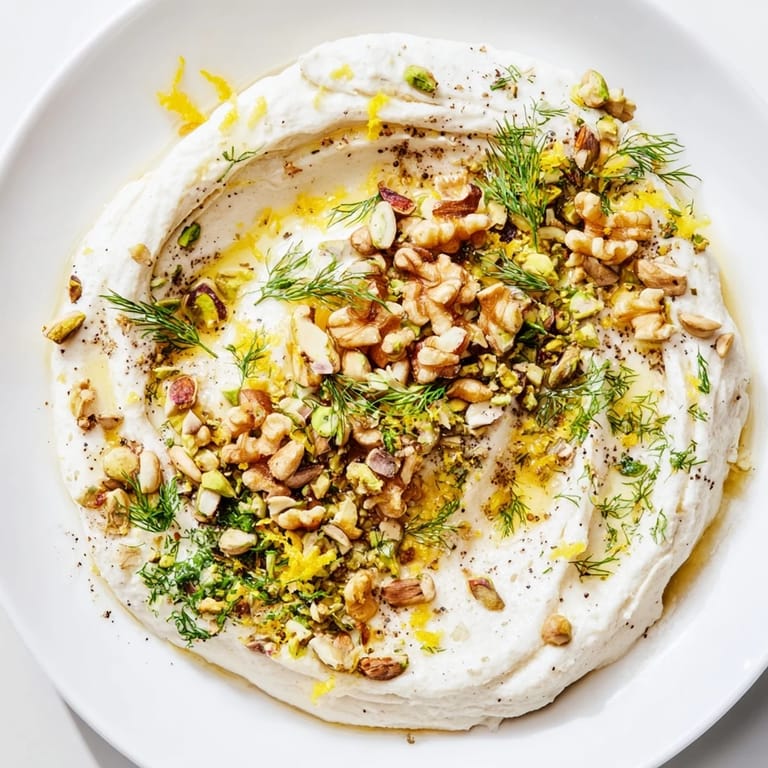
- Scatter the toasted nuts first, then the fresh herbs, then the flaky sea salt and lemon zest, finishing with a few cracks of black pepper. If you're using honey, drizzle it lightly over the top right before serving.
- Serve immediately:
- Bring it to the table while the butter is still soft and the flavors are bright. Slice your baguette or set out crackers alongside, and let people help themselves.
 Save
Save There's something almost meditative about making this board—the toasting, the zesting, the careful scattering of herbs. I've found that the best moments happen not when I'm cooking something complicated, but when I'm paying attention to small details on something simple.
Why Quality Butter Matters
This recipe lives or dies by the butter, which sounds dramatic but is honestly true. A standard supermarket butter will work, but European-style butter has higher fat content and a richer flavor that actually tastes like butter, not just a spreadable dairy product. Once you try it on a board like this, you'll understand why people get particular about their butter.
Playing With Flavor Combinations
The beauty of a butter board is how easily it adapts to what you're feeling or what you have on hand. Orange zest brings a brighter, slightly sweeter note that works beautifully with rosemary and pistachios; smoked sea salt adds depth; a pinch of chili flakes creates an unexpected heat that lingers. Some people add edible flowers or thin radish slices for color and crunch, and honestly, they're not wrong.
Making It Look Beautiful
The visual presentation of a butter board is half the fun—you're creating something that people want to photograph and dig into. Keep colors in mind when choosing your toppings: the deep greens of herbs, the pale gold of toasted nuts, the bright yellow of lemon zest, and white flaky salt all create natural contrast.
- Create a small empty patch of butter somewhere on the board as a visual breathing space between clusters of toppings.
- Group similar colors together rather than scattering everything randomly, which makes it look more intentional and less chaotic.
- Remember that you can always add more toppings if something feels sparse, but you can't take them back once they're spread.
 Save
Save A butter board feels like you've done something clever and thoughtful, when really you've just arranged good ingredients on a board. That's the whole secret.
Recipe FAQs
- → What type of butter works best?
European-style butters with higher fat content offer a creamier texture and richer flavor, ideal for spreading and balancing toppings.
- → How should the nuts be prepared?
Toast mixed nuts in a dry skillet over medium heat for 2–3 minutes until fragrant and lightly golden to enhance their aroma and crunch.
- → Can I customize the toppings?
Yes, you can add edible flowers, sliced radishes, or chili flakes to vary flavor and appearance, or swap lemon zest for orange zest.
- → What is the best way to serve this?
Serve the butter spread on a wooden board alongside crusty baguette slices or assorted crackers for easy sharing and spreading.
- → Are there dietary considerations to note?
Contains dairy and tree nuts; for gluten-free options, pair with gluten-free crackers or bread. Always check allergen info based on ingredients used.