 Save
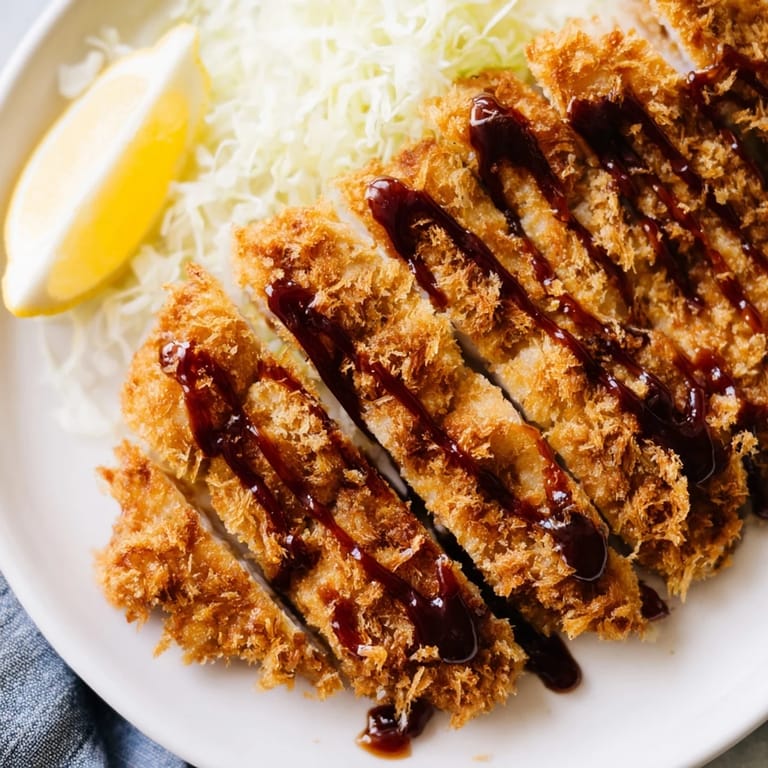
Save The fragrant sizzle of panko hitting hot oil takes me back to the tiny restaurant in Osaka where I first tasted authentic chicken katsu. My host family laughed when I closed my eyes to savor that perfect crunch giving way to tender chicken. Years later, standing in my own kitchen with oil-speckled apron, I still chase that perfect golden exterior and juicy interior that made me fall in love with this deceptively simple Japanese classic.
Last summer, I made these katsu cutlets for a backyard gathering where friends brought different Asian side dishes. My neighbor Tim, who normally only eats American food, took one bite and quietly filled half his plate with more katsu. Later he whispered asking for the recipe, and now its apparently in his regular rotation for impressing dinner dates.
Ingredients
- Boneless skinless chicken breasts: The canvas for our masterpiece, these should be pounded to even thickness which ensures they cook perfectly throughout without drying out.
- Panko breadcrumbs: These Japanese-style breadcrumbs are airier and crunchier than western varieties, creating that signature katsu texture that regular breadcrumbs simply cannot achieve.
- Mirin: This sweet rice wine adds that subtle authentic taste to the tonkatsu sauce, though honey works surprisingly well if you need a substitute in a pinch.
- Vegetable oil: The key to perfect frying is using enough oil for shallow frying but not so much that the cutlets are swimming, about half an inch in the pan works beautifully.
Tired of Takeout? 🥡
Get 10 meals you can make faster than delivery arrives. Seriously.
One email. No spam. Unsubscribe anytime.
Instructions
- Tenderize with purpose:
- Place each chicken breast between plastic wrap and pound gently to about 1/2 inch thickness. Youre looking for even thickness all the way across, which ensures every bite cooks at the same rate.
- Breading station assembly:
- Set up your three-part breading station with flour, beaten eggs with water, and panko in separate dishes. Keep one hand for wet ingredients and one for dry to avoid the dreaded breaded fingers syndrome.
- The dredge dance:
- Coat each chicken piece in flour first, shaking off excess before dipping in egg. The flour helps the egg adhere, which then acts as the glue for that beautiful panko coating.
- Panko perfection:
- Press chicken firmly into panko, really ensuring good coverage and adhesion. Some gentle pressing helps create that thick, substantial crust that defines great katsu.
- Sizzle with patience:
- Heat oil until shimmering but not smoking, around 170°C. Listen for a steady sizzle when you add the chicken, not a violent eruption or a sad silence.
- Golden vigilance:
- Fry 3-4 minutes per side until the exterior is a rich golden brown and chicken is cooked through. Watch for even browning and adjust heat as needed.
- Sauce crafting:
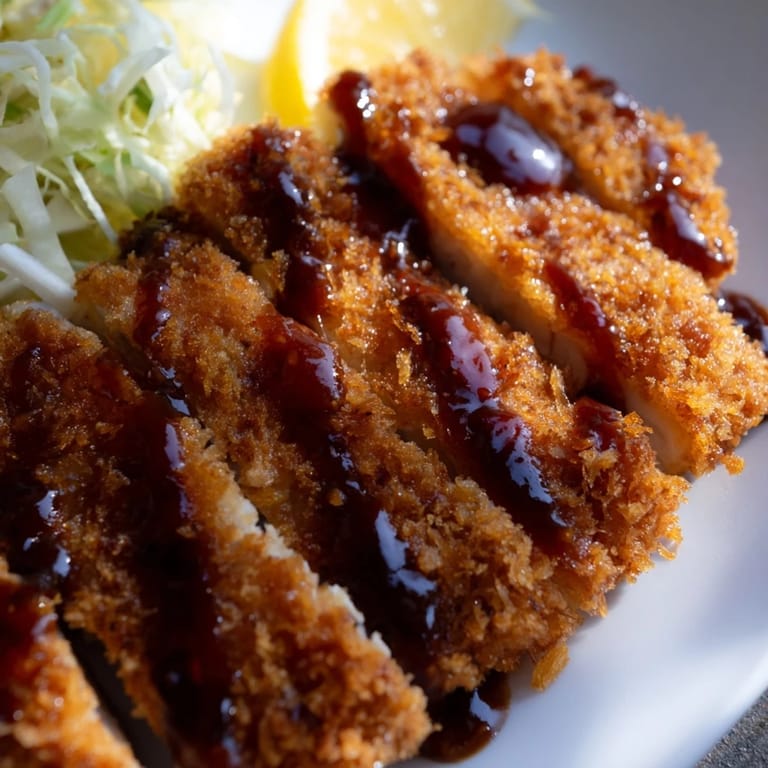
- Whisk together the tonkatsu sauce ingredients until smooth and glossy. The balance of sweet, tangy, and savory elements creates that distinctive flavor that makes katsu so addictive.
 Save
Save My daughter was going through a picky eating phase that had me at my wits end, refusing nearly everything I made until I served chicken katsu with the sauce on the side. Something about being able to control the dipping process fascinated her, and suddenly dinnertime transformed from battlefield to bonding time as she experimented with different sauce-to-bite ratios and declared herself a katsu expert.
The Perfect Frying Temperature
The secret to chicken katsu that rivals restaurant quality lies in maintaining the right oil temperature throughout cooking. I once ruined a batch by cranking the heat too high, creating a beautiful exterior but leaving the center dangerously undercooked. Now I keep it steady around 340°F, which ensures the chicken cooks through by the time the coating reaches that perfect amber color. When in doubt, a small piece of panko should sizzle gently when dropped in but shouldnt immediately darken.
Serving Traditions
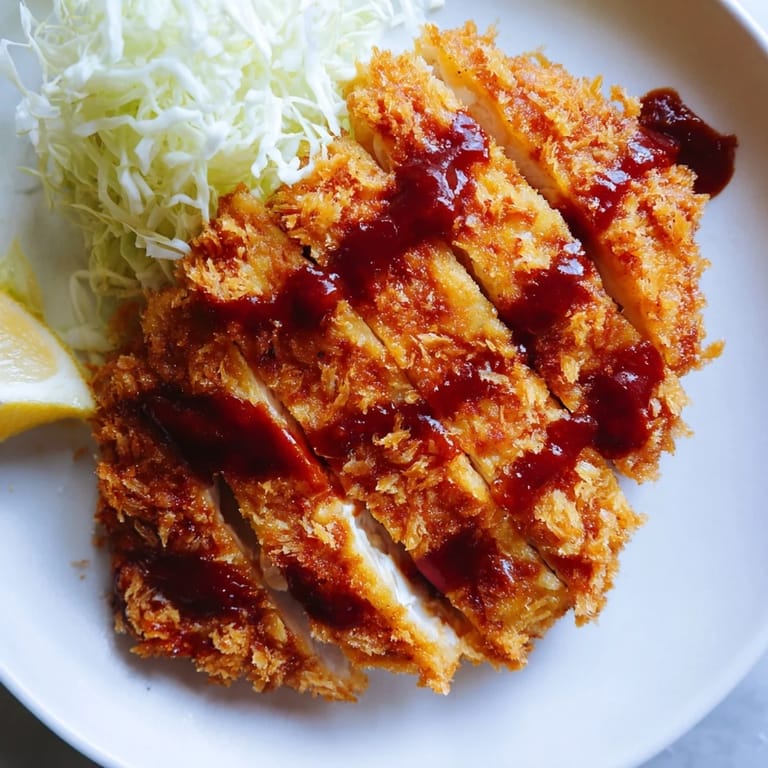
In Japan, katsu is traditionally served with finely shredded cabbage, which provides a refreshing counterpoint to the rich fried cutlet. The cabbage isnt just garnish; its an essential component that cuts through the richness. I discovered this balance makes all the difference after initially skipping the cabbage and finding the meal somewhat heavy. The squeeze of lemon over everything brightens the flavors and adds a subtle dimension that truly elevates the entire experience.
Making It Ahead
Though chicken katsu is at its absolute crispiest straight from the pan, Ive developed strategies for making it work as a make-ahead option for busy weeknights. The key is proper reheating, where conventional ovens outperform microwaves by maintaining that crucial textural contrast. A wire rack placed over a baking sheet allows air circulation during reheating, preventing the dreaded soggy bottom that can ruin an otherwise perfect katsu experience.
- Refrigerated katsu will keep for up to three days, though the texture gradually deteriorates after the first 24 hours.
- For reheating, place in a 350°F oven for 7-10 minutes until heated through and re-crisped rather than using a microwave which creates steam.
- The tonkatsu sauce actually improves with time as flavors meld, so feel free to make a double batch and store in the refrigerator for up to two weeks.
 Save
Save Chicken katsu reminds me that sometimes the simplest preparations, executed with care, create the most lasting food memories. Whether paired with curry, tucked into a sandwich, or served traditionally with cabbage and rice, its a reminder that comfort food transcends cultural boundaries.
Recipe FAQs
- → Can I bake chicken katsu instead of frying?
Yes, you can bake at 200°C (400°F) for 20-25 minutes, flipping halfway through. Spray with cooking oil for crispier results, though it won't be quite as crispy as pan-fried.
- → What can I substitute for panko breadcrumbs?
Regular breadcrumbs work but won't be as crispy. For a gluten-free option, use crushed rice crackers or gluten-free panko. The texture will differ slightly from traditional panko.
- → How do I know when the chicken is fully cooked?
The internal temperature should reach 75°C (165°F). The cutlets should be golden brown on both sides and no longer pink in the center. A meat thermometer is the most reliable method.
- → Can I make tonkatsu sauce ahead of time?
Absolutely. The sauce keeps well in the refrigerator for up to one week in an airtight container. The flavors actually meld and improve after a day or two.
- → What's the best oil temperature for frying?
Maintain oil at 170°C (340°F). If it's too hot, the breading will burn before the chicken cooks through. Too cool, and the cutlets will absorb excess oil and become greasy.
- → Can I use chicken thighs instead of breasts?
Yes, boneless skinless chicken thighs work wonderfully and stay even juicier. Adjust cooking time slightly as thighs may take an extra minute or two per side.