 Save
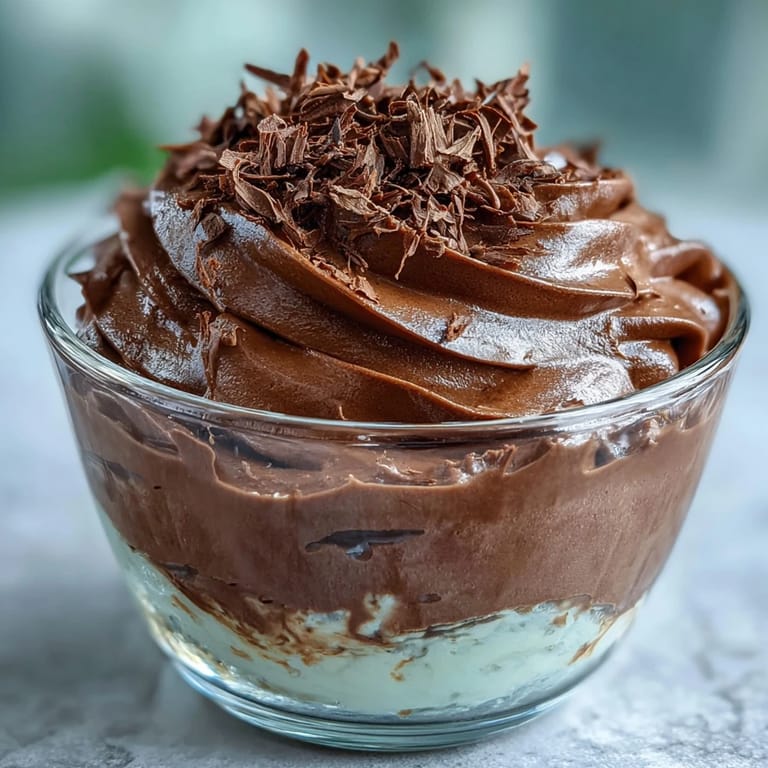
Save There's a specific quiet that comes over a kitchen when you're whisking egg whites at midnight, watching them transform from liquid gold to billowing clouds under the whisk. That's when I first made hojicha mousse, on a whim after discovering a tin of roasted tea leaves at a Japanese market. The recipe itself seemed almost too simple, but that's exactly what drew me in—the idea that something so delicate could come from just a handful of ingredients and patience.
I made this for my roommate on a Tuesday evening when she came home stressed from work, and watching her face shift as she tasted it—that moment when surprise turns into genuine contentment—made me understand why Japanese desserts work the way they do. They're not about showiness; they're about creating a small, perfect experience.
Ingredients
- Hojicha tea leaves: These roasted green tea leaves are the heart of everything, bringing that toasty, nutty flavor that makes this mousse different from anything chocolate-based; don't skip sieving them finely or you'll end up with a gritty texture.
- Whole milk: The vehicle for hojicha's flavor—use the best milk you have because it really does matter when there aren't many other ingredients to hide behind.
- Eggs, separated: The yolks create richness in the base while the whites become the structure; make sure your bowl is completely grease-free or the whites won't whip properly.
- Granulated sugar: Split between yolk mixture and whites to build flavor and stability in layers.
- Vanilla extract: Just enough to whisper in the background, never to announce itself.
- Cornstarch: A small amount that stabilizes the custard without making it heavy or starchy-tasting.
- Powdered gelatin: The gentle hand that holds everything together once chilled; blooming it properly prevents lumps.
- Cold water: For blooming the gelatin and nothing else—use it straight from the tap.
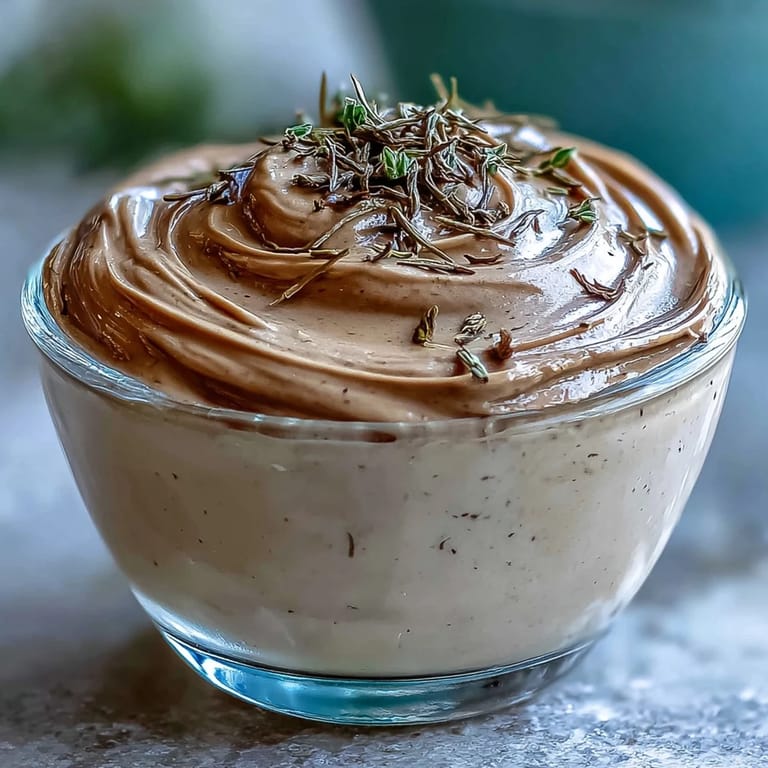
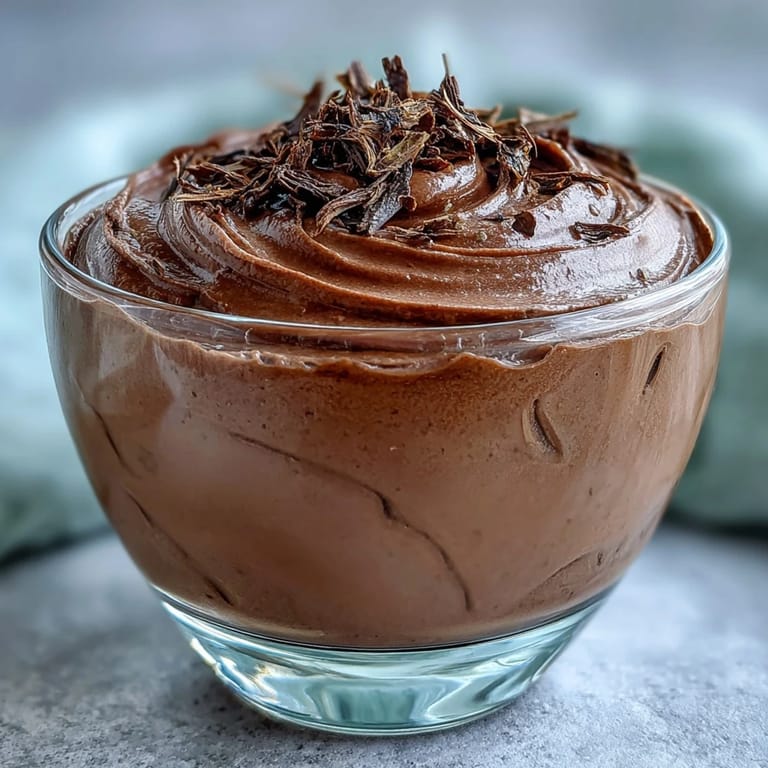
- Toasted hojicha leaves or cocoa nibs: Optional but absolutely worth the gesture; they add texture and remind you why you made this in the first place.
Tired of Takeout? 🥡
Get 10 meals you can make faster than delivery arrives. Seriously.
One email. No spam. Unsubscribe anytime.
Instructions
- Steep the hojicha:
- Heat milk until just steaming—you'll see the first wisps rising—then pour it over hojicha leaves and let them sit covered for 10 minutes. The aroma alone will tell you if you're doing it right; it should smell warm and slightly earthy, like a field after rain.
- Bloom the gelatin:
- Sprinkle gelatin evenly over cold water and let it sit untouched for 5 minutes; this ensures it dissolves smoothly later instead of clumping.
- Build the custard base:
- Whisk yolks with half the sugar and cornstarch until pale and ribbony, then slowly add the warm hojicha milk while whisking constantly. The slow addition prevents the eggs from scrambling.
- Cook over gentle heat:
- Set your bowl over simmering water and whisk continuously for 3 to 5 minutes until the mixture coats the back of a spoon like thin custard. This is where patience pays off—rushing this step by turning up the heat will only give you scrambled eggs.
- Dissolve the gelatin:
- Remove from heat and immediately stir in the bloomed gelatin until it disappears completely, then add vanilla. The residual heat will do the work for you.
- Cool with intention:
- Let this mixture come to room temperature, stirring every couple of minutes to prevent a skin from forming on top. This takes about 10 to 15 minutes and is a perfect time to make your space ready for the next step.
- Whip the egg whites:
- In an impeccably clean bowl, beat whites on medium speed until soft peaks form—the tips should curl gently when you lift the whisk. Gradually add remaining sugar and keep beating until the peaks stand straight and glossy.
- Fold with care:
- Add about a third of the egg whites to the cooled hojicha mixture and stir vigorously to lighten it, then fold in the remaining whites in two additions using a rubber spatula, turning the bowl as you go. Folding is gentler than stirring but also faster than you'd think—stop while you can still see streaks of white.
- Chill and set:
- Spoon into glasses or ramekins and refrigerate for at least 2 hours; the mousse will be barely jiggly when you tap the glass, which is exactly how you want it.
- Finish with presence:
- Just before serving, scatter a few toasted hojicha leaves or cocoa nibs on top if you have them; it takes five seconds but changes how the dessert feels.
 Save
Save There's a reason this dessert exists in Japanese cuisine—it respects the ingredient rather than drowning it. The first time someone told me that hojicha mousse was meant to highlight the tea, not hide behind cream, it reframed how I thought about cooking itself.
Making It Your Own
The beauty of this mousse is that it invites small changes without falling apart. I've added a pinch of sea salt to amplify the nuttiness, whisked in a teaspoon of miso paste for depth, or even swapped the hojicha for matcha on mornings when I wanted something brighter. Each version still tastes like itself, just wearing a different coat.
Pairing and Serving
This mousse doesn't need much—a small plate, maybe a spoon, and quiet. If you're feeling generous with yourself, serve it alongside something with acidity: fresh berries, a small dollop of tart yogurt, or a crisp shortbread cookie that breaks when you bite it. A light floral sake or even cold green tea complements it beautifully, creating a moment that feels both simple and considered.
Storage and Dairy-Free Options
This keeps beautifully in the refrigerator for up to three days, which means you can make it on a lazy Sunday and savor it across several evenings without guilt. For dairy-free versions, oat milk works especially well because it has a subtle sweetness that echoes the hojicha's toasted notes, though almond milk is equally reliable if that's what you have.
- Always cover your mousse with plastic wrap or a lid in the fridge so it doesn't absorb flavors from other foods.
- You can make this dessert up to a day ahead and garnish just before serving for the freshest effect.
- If you're serving guests, double-check for egg allergies since raw or lightly cooked eggs are essential to the structure here.
 Save
Save This mousse taught me that some of the best things in life don't require fuss, just attention. Make it when you want to say something kind to yourself or someone else without using words.
Recipe FAQs
- → What makes hojicha different from other green teas?
Hojicha is roasted green tea leaves, resulting in a distinctive warm, nutty flavor with lower caffeine content compared to unroasted varieties. The roasting process creates reddish-brown leaves and produces notes reminiscent of caramel and toasted grains.
- → Can I prepare this mousse in advance?
Yes, this dessert actually benefits from preparing ahead. The mousse needs at least two hours to chill and set properly, and it can be refrigerated for up to two days before serving. Garnish with toasted tea leaves just before serving for optimal texture.
- → What's the purpose of the bain-marie step?
The water bath gently cooks the egg yolk mixture without scrambling the eggs, ensuring a silky smooth custard base. This indirect heat prevents curdling while allowing the cornstarch to properly thicken the hojicha-infused milk mixture.
- → Why is the mixture folded in thirds?
Adding the whipped egg whites gradually in three portions helps maintain the air structure you've created. This gentle folding technique incorporates volume without deflating the mousse, resulting in that characteristic light, airy texture.
- → How do I know when the egg whites are properly whipped?
Stiff peaks should stand straight up when the whisk is lifted, and the surface should appear glossy and smooth. Over-whipping can cause the whites to become grainy and difficult to fold, while under-whipping won't provide enough structure for a proper set.
- → Can I use sheet gelatin instead of powdered?
Yes, simply substitute with the appropriate weight according to your gelatin package instructions. Bloom sheet gelatin in cold water for about 5-10 minutes, squeeze out excess moisture, and dissolve into the warm custard mixture as directed.