 Save
Save My roommate came home one evening raving about his aunt's cottage cheese pasta, and I'll admit I was skeptical at first. How could something so humble compete with the butter-laden versions I'd grown up making? But that first forkful changed everything—it was silky, rich, and somehow lighter than I expected. Now I make this version constantly, especially on nights when I want comfort food without feeling sluggish afterward.
I made this for a dinner party last spring when a friend mentioned she was watching her dairy intake, and I watched her face light up when she realized there was no heavy cream involved. She had seconds, then thirds, and asked for the recipe before she even left. That moment taught me that cooking for restrictions doesn't mean sacrificing joy.
Ingredients
- Fettuccine or linguine (350 g): Flat ribbons catch the sauce better than thinner pastas, creating those little pockets of creaminess with every bite.
- Low-fat cottage cheese (1 cup): The secret weapon here—blended smooth, it becomes indistinguishable from cream but with half the heaviness and twice the protein.
- Milk (1/2 cup): Whole or 2% works best; it helps the blender turn cottage cheese into silk without diluting the flavor.
- Grated Parmesan cheese (1/2 cup): Freshly grated makes all the difference; pre-grated varieties contain anti-caking agents that muffle the sharp, salty notes.
- Unsalted butter (2 tbsp): This is your aromatic base, the foundation where garlic blooms into something magical.
- Garlic cloves, minced (2): The timing matters more than the quantity—add it to melted butter and listen for that gentle sizzle before it turns bitter.
- Freshly ground black pepper and salt (1/4 tsp each): Season as you go, tasting at each step rather than dumping it all in at once.
- Nutmeg, freshly grated (pinch): This is optional but seriously transforms the sauce; it whispers underneath instead of shouting, rounding out all the edges.
- Fresh parsley (2 tbsp, chopped) and extra Parmesan for serving: These final touches aren't decoration—they're the difference between a good dish and one people remember.
Tired of Takeout? 🥡
Get 10 meals you can make faster than delivery arrives. Seriously.
One email. No spam. Unsubscribe anytime.
Instructions
- Get the pasta water ready:
- Salt your water generously—it should taste like the sea—and bring it to a rolling boil. This step feels mundane, but that reserved pasta water is liquid gold for adjusting your sauce later.
- Blend the sauce base:
- While pasta cooks, combine cottage cheese, milk, and Parmesan in your blender. Blend for a full minute or two until completely smooth; any graininess will catch when you taste it.
- Toast the garlic:
- Melt butter in your skillet over medium heat, add minced garlic, and listen closely. You're aiming for fragrant and golden, not brown or bitter—about one minute of gentle sizzling does it.
- Warm the sauce gently:
- Pour in your blended mixture, add seasonings, and stir constantly for 2 to 3 minutes. The key word is gently—you're heating, not cooking, never letting it bubble or it will separate.
- Marry pasta and sauce:
- Add drained pasta to the skillet and toss until every strand is coated. If it feels thick, splash in reserved pasta water gradually, tasting as you go—you're looking for something that clings to the pasta but still flows slightly on the plate.
- Plate and garnish:
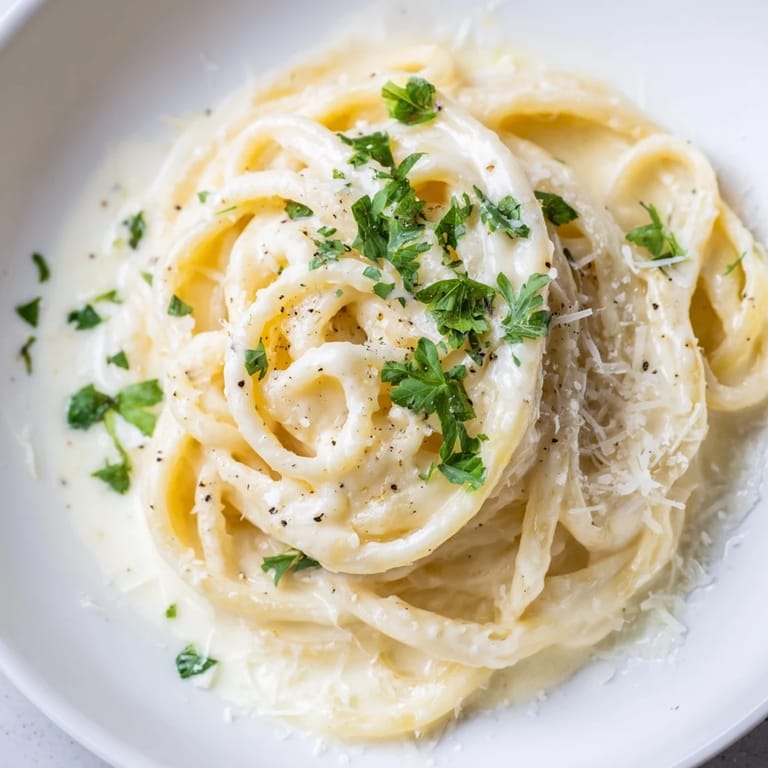
- Serve immediately while everything is still warm and the sauce clings beautifully. A scatter of parsley adds color and a fresh lift, while that extra Parmesan melts slightly on the hot pasta.
 Save
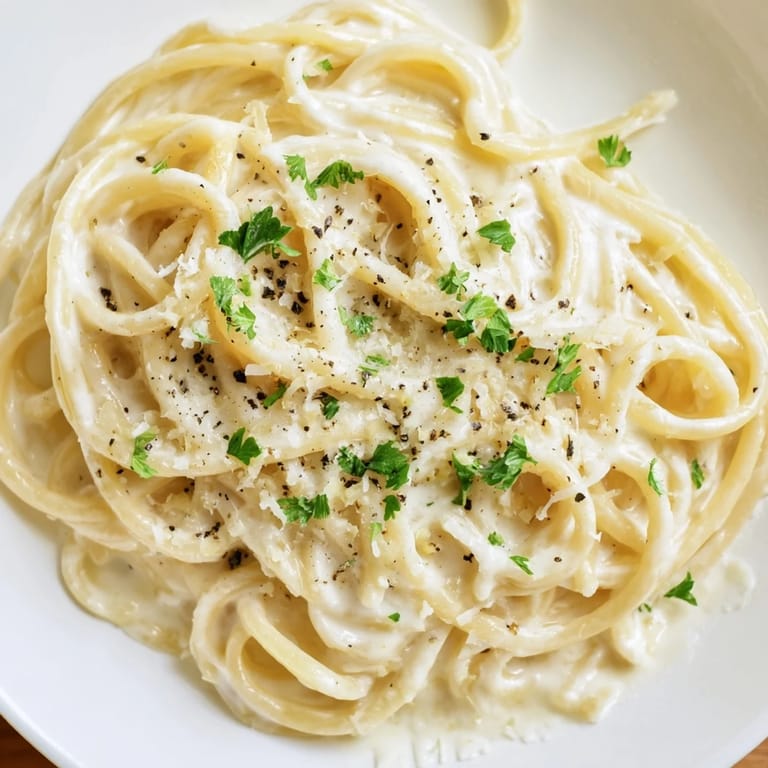
Save My partner ate this silently for a moment, then said, "This tastes expensive," which meant more to me than any compliment ever could. It's those quiet moments at the table when you realize that sometimes the simplest shortcuts create the most satisfying meals.
Why This Works as Your New Go-To
This recipe exists in this exact form because traditional Alfredo leaves me feeling weighed down, and I'm not alone in that feeling. Cottage cheese sounds like a compromise until you taste it—blended smooth, it delivers creaminess and richness without the heaviness of cream, and it brings unexpected protein that keeps you satisfied longer. The math works in your favor: it's cheaper, faster, lighter, and honestly tastes just as luxurious when you plate it with care.
Variations and Additions That Work
The beauty of this sauce is how it plays well with others. A squeeze of fresh lemon zest at the end brightens everything without adding heaviness, while sautéed mushrooms in the pan before adding the sauce create earthiness that rounds out the dish beautifully. Cooked chicken transforms this into something that feels substantial enough for anyone's main course, and steamed broccoli adds color and texture without overshadowing the sauce.
Storage and Make-Ahead Tips
Leftovers last three days in the refrigerator, though I'll be honest—they're best eaten within 24 hours while the pasta still feels tender and the sauce hasn't tightened. You can blend your sauce components in advance and store them separately, which shaves minutes off your cooking on busy nights. Reheat gently on the stovetop with a splash of milk or pasta water, never the microwave, which hardens the Parmesan and separates the sauce.
- Make the sauce components in advance for weeknight shortcuts, but don't blend them until you're ready to cook.
- Always reserve your pasta water before draining—it's the secret to fixing sauces that feel too thick or too thin.
- Serve immediately for the best texture; pasta begins to absorb the sauce the moment it sits, which is fine but not as elegant.
 Save
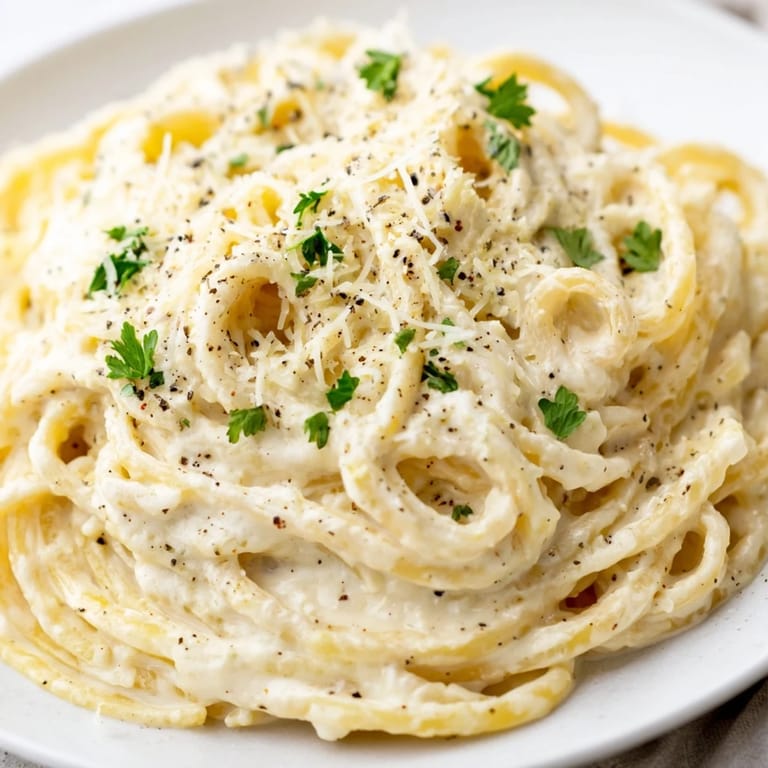
Save This dish reminds me that the best kitchen discoveries aren't always the ones in cookbooks—sometimes they're the ones born from wanting something lighter, better, kinder to your body. I hope this becomes your version of comfort, the one you make without thinking because you know it works.
Recipe FAQs
- → How can I make the sauce smoother?
Blend the cottage cheese, milk, and parmesan thoroughly in a food processor to achieve a creamy, smooth consistency before combining with the pasta.
- → Can I substitute the pasta type?
Yes, fettuccine or linguine work best, but you may use gluten-free or other pasta varieties depending on preference.
- → What is the purpose of the reserved pasta water?
Adding reserved pasta water helps loosen the sauce and allows it to coat the pasta evenly for better texture and flavor absorption.
- → How do I prevent the garlic from browning?
Sauté garlic over medium heat for about one minute or until fragrant, avoiding cooking it too long to keep flavors mild and prevent bitterness.
- → Is there a way to boost the protein content?
Adding cooked chicken, steamed broccoli, or other protein-rich ingredients complements the dish and increases its nutritional value.