 Save
Save I discovered this recipe on a rainy Tuesday when my kitchen was filled with the smell of oranges I'd just zested for something else entirely. My friend texted asking what I was making for dinner, and I realized I had salmon in the fridge and a jar of gochujang staring at me from the pantry. Something clicked—the bright citrus, the umami heat, the way both flavors would play together. Within an hour, sticky fillets were bronzing under the broiler, and I understood why this combination had been calling to me all along.
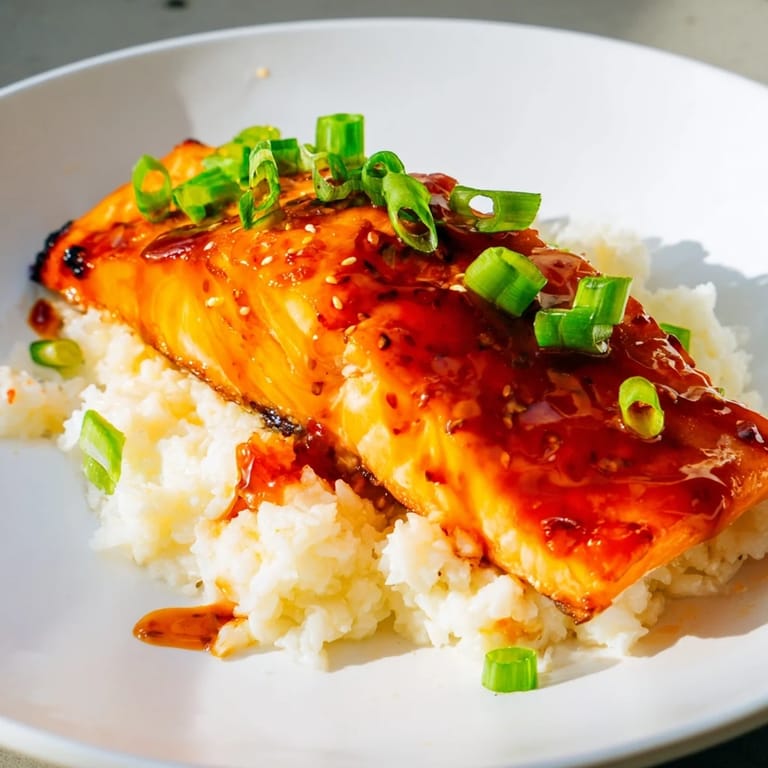
The first time I made this for guests, my neighbor stopped by just as the salmon was coming out of the oven and asked if I was catering. I laughed, but honestly, the way that glaze looked under the broiler lights—all deep amber and bubbling slightly at the edges—made me feel like I'd done something special. We ended up inviting him to stay, and he brought wine that paired perfectly with the sweet-spicy-citrus notes. That's when I knew this dish had staying power.
Ingredients
- Salmon fillets, skin-on (4 pieces, 150 g each): The skin crisps up beautifully under the broiler and keeps the flesh moist—don't skip it or peel it away.
- Gochujang (2 tablespoons): This Korean chili paste brings fermented depth and gentle heat; it's the backbone of everything here.
- Fresh orange juice (1/4 cup): Use juice you squeeze yourself if you can; bottled loses something essential in brightness.
- Soy sauce (2 tablespoons): The salt and umami that ties the sweet and spicy together into something coherent.
- Honey (2 tablespoons): Creates the sticky glaze that caramelizes on the salmon's surface.
- Rice vinegar (1 tablespoon): A gentle acid that keeps the glaze from becoming cloying and adds complexity.
- Fresh ginger, grated (1 teaspoon): The sharpness cuts through richness and adds a warming note that makes sense with the orange.
- Garlic clove, minced (1): One clove is all you need; too much overpowers the delicate balance of other flavors.
- Sesame oil (1 teaspoon): Toasted sesame oil adds a nutty, aromatic finish that makes everything taste intentional.
- Jasmine rice (1 1/2 cups): Its subtle floral note complements rather than competes with the salmon's glaze.
- Water (3 cups) and unsalted butter (2 tablespoons): The butter makes the rice buttery and rich enough to stand up to the glaze.
- Salt (1/2 teaspoon): Rice needs seasoning from the start, not added afterward.
- Scallions (3, thinly sliced): Fresh, bright, and they add textural contrast that the soft rice and salmon need.
- Toasted sesame seeds and orange zest (optional): These aren't afterthoughts—they're the final flavor notes that complete the dish.
Tired of Takeout? 🥡
Get 10 meals you can make faster than delivery arrives. Seriously.
One email. No spam. Unsubscribe anytime.
Instructions
- Build the glaze:
- In a medium bowl, whisk together gochujang, orange juice, soy sauce, honey, rice vinegar, ginger, garlic, and sesame oil until smooth. The color should be a warm amber-brown, and it should smell like a spice market kissed by citrus.
- Marinate the salmon:
- Pat the salmon fillets dry with paper towels—this is crucial for getting that crispy skin later. Place them skin-side up in a shallow dish, spoon 2 tablespoons of glaze over each fillet, and turn to coat both sides. Let them sit for 10 minutes while you handle the rice.
- Cook the rice:
- Rinse jasmine rice under cold water, rubbing it gently between your fingers, until the water runs clear—this removes starch and prevents mushiness. In a medium saucepan, combine rinsed rice, 3 cups water, butter, and salt, then bring to a boil over medium-high heat.
- Steam and rest:
- Once boiling, reduce heat to low, cover with a tight-fitting lid, and let the rice simmer undisturbed for 15 minutes. The rice will absorb all the water and become tender and fluffy.
- Preheat and prepare:
- While rice steams, set your oven broiler to high and line a baking sheet with foil, lightly oiling it so the salmon won't stick. Position the rack about 5 to 7 inches from the heat source.
- Broil the salmon:
- Remove the marinated salmon from the dish and place skin-side down on the prepared baking sheet. Brush with additional glaze from the bowl, then slide under the broiler.
- Watch and baste:
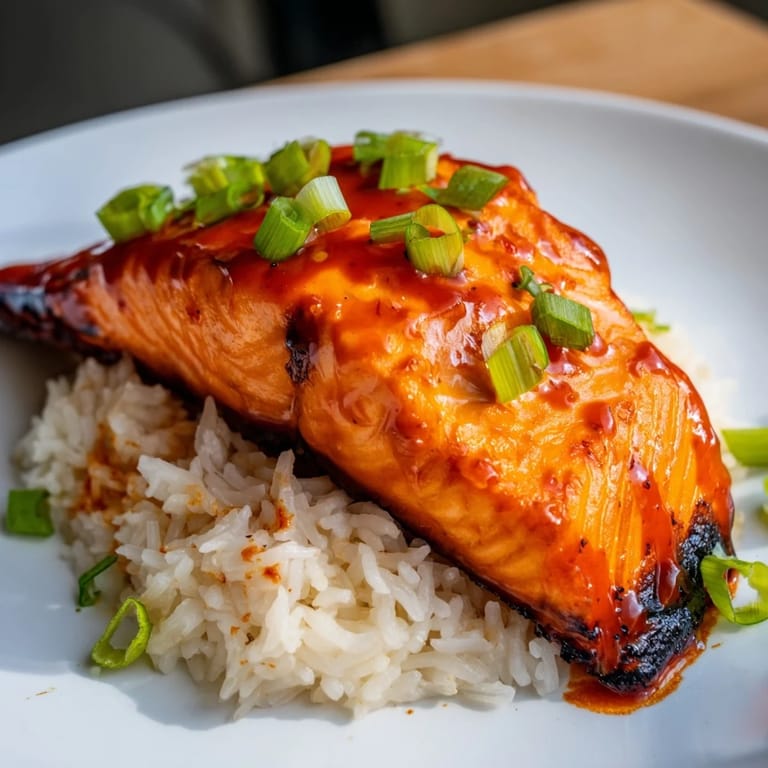
- Broil for 6 to 8 minutes, checking around the 4-minute mark and brushing with more glaze halfway through. The edges will caramelize and darken, the flesh will turn opaque pink, and when pierced with a fork, it should flake gently—you're aiming for about 52 to 54°C (125 to 130°F) for a moist center.
- Reduce the remaining glaze:
- While salmon cooks, pour any leftover glaze into a small saucepan and simmer over medium heat for 2 to 3 minutes, stirring occasionally. It will thicken slightly and become syrupy—this concentrated sauce is where the magic happens.
- Fluff and plate:
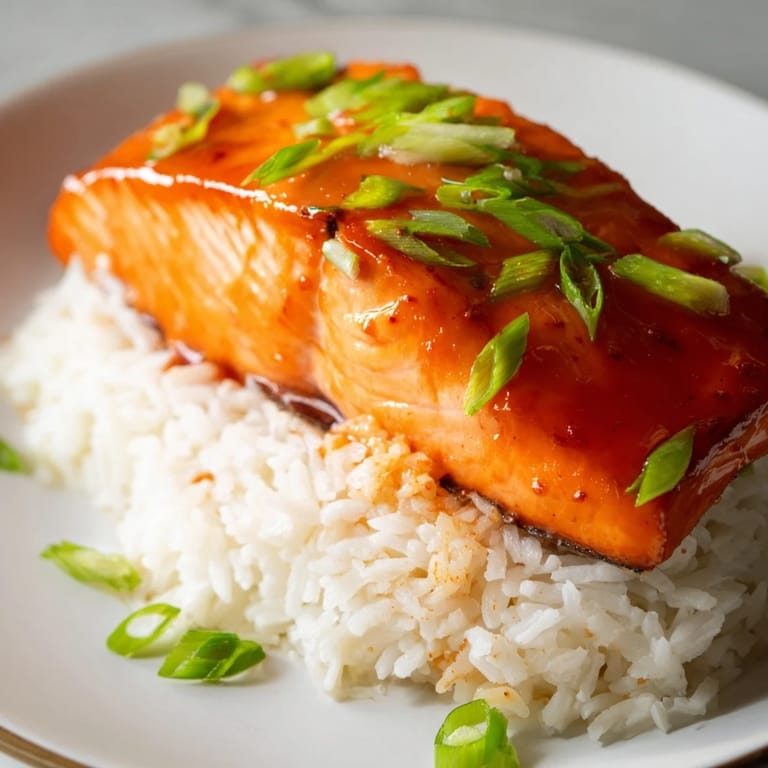
- Remove rice from heat and let it rest, covered, for 5 minutes, then fluff gently with a fork. Divide rice among serving bowls, top each with a salmon fillet, and drizzle with the thickened glaze.
- Finish with garnish:
- Scatter thinly sliced scallions over the top, add toasted sesame seeds if you have them, and finish with a whisper of orange zest. Serve immediately while the rice is still warm and the salmon is at its best.
 Save
Save I remember my partner taking the first bite and closing his eyes for a moment—not out of politeness, but because something about the way the sweet and spicy played together against the buttery rice genuinely surprised him. That quiet moment of pleasure is what this recipe gives you, the reason I come back to it when I want to feel like I've done something right in the kitchen.
The Magic of Gochujang
Gochujang isn't just spicy; it's fermented, which means it carries layers of umami and depth that hot sauce can't touch. When it hits the glaze and caramelizes under the broiler, it transforms into something almost savory-sweet, like a bridge between Asian and Western flavors. I spent years thinking gochujang only belonged in bibimbap or with gochugaru, but pairing it with citrus opened up a whole new way of thinking about what this paste could do.
Why Jasmine Rice Matters Here
Jasmine rice has a subtle floral sweetness that seems insignificant until you taste it against the sticky glaze—suddenly it becomes an active player rather than just a platform for the salmon. The butter enriches it further, and together they can actually handle the boldness of the gochujang without being overwhelmed. Brown rice or quinoa will work fine if you want something heartier, but they'll change the delicate balance of the dish, so know that going in.
Playing with Texture and Temperature
The contrast between warm fluffy rice, hot glossy salmon, and cool crisp scallions is what makes this dish feel complete rather than one-note. If you're serving this to others, time it so everything hits the plate at the same moment—lukewarm salmon on cold rice is a different dish entirely. The orange zest and sesame seeds add a little textural snap that keeps your palate from getting bored, which is why they're more than just pretty garnish.
- Toast your own sesame seeds in a dry pan for 2 minutes if you have time; they'll taste brighter and more alive than pre-toasted versions.
- Zest the orange while the salmon cooks so the oils are fresh and fragrant when they hit the plate.
- Slice the scallions just before serving so they don't wilt or absorb the heat of the salmon.
 Save
Save This is the kind of recipe that asks very little but delivers a lot—a quiet confidence on the plate that makes you feel capable. Cook it for yourself on a random Tuesday, or make it for people you want to impress; either way, it'll remind you why simple, thoughtful cooking matters.
Recipe FAQs
- → How do I achieve a sticky glaze on salmon?
Whisk together gochujang, orange juice, soy sauce, honey, rice vinegar, ginger, garlic, and sesame oil. Brush this mixture on the salmon before broiling, and baste again midway for a caramelized, sticky finish.
- → What type of rice pairs best with this dish?
Jasmine rice is ideal, cooked with butter and a pinch of salt for a fluffy, fragrant bed that complements the bold salmon flavors.
- → Can I prepare this meal in advance?
Marinate the salmon up to 10 minutes before cooking and prepare the rice fresh. The glaze sauce can be simmered shortly before serving to enhance thickness and flavor.
- → What garnishes enhance the dish's presentation and taste?
Thinly sliced scallions add freshness and crunch, while toasted sesame seeds and orange zest provide aroma and visual appeal.
- → Are there suggested substitutions for dietary preferences?
For a different grain, substitute jasmine rice with brown rice or quinoa. Adjust spice by adding chili flakes to the glaze for extra heat.